What We Do

Rising Sun – Budding Leaders Programme
Let Every Young Person Shine in Their Own Way
 
 
Rising Sun – Budding Leaders Programme

It is not about deciding young people's futures for them,
but about helping them discover their own direction.

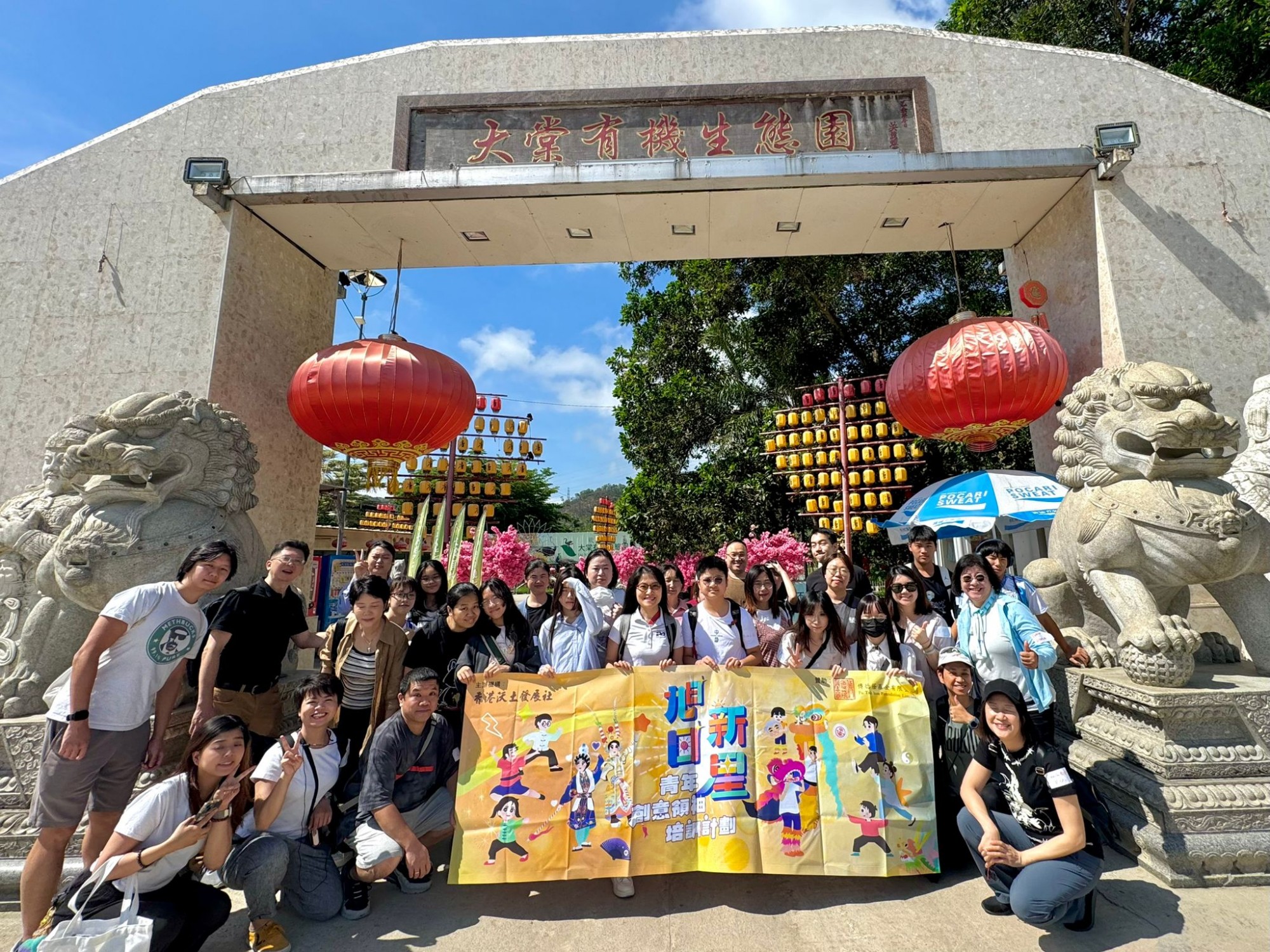
The programme primarily serves secondary school students and families in Kwai Tsing District and those in need. It connects one-to-one life coaching, growth mindset, cultural creativity, family engagement and community participation into a journey of growth, helping young people move from “I don’t know” to “I’m willing to try”.

2024.07 — 2026.12 One-to-One Life Coaching Young People × Families × Community Culture × Technology × Stage
Recognise Strengths

Rather than defining young people by grades, we help them rediscover possibilities through interests, abilities and life experiences.

Find Direction

Turn vague ideas into achievable goals and gradually practise planning, action and reflection.

Grow Together

Connect coaches, peers, parents and the community so growth is no longer a journey taken alone.

Starting from Real Needs

Through our work with young people and parents in the community, we have learned that the issue is not a lack of ability, but that abilities have yet to be recognised and intentions have yet to become practical methods.

01

Ideas Without a Rhythm for Action

Many young people are willing to set goals but have yet to develop habits in short- and long-term planning, time management and sustained action.

02

Interests Not Always Nurtured in the Classroom

Young people are passionate about art, technology, sport and hands-on learning. They need more opportunities to turn their interests into confidence and future possibilities.

03

Conversation Still Needs Genuine Listening

Parents and young people care about one another, yet gaps in understanding may remain around autonomy, academic expectations and emotional expression.

The programme therefore goes beyond organising activities. It brings together stable relationships, hands-on experiences, family support and community participation, creating room for young people with different personalities, paces and needs to grow.

Five Pathways of Support
01

One-to-One Life Coaching

Beginning with trust, we accompany young people as they talk about studies, friendships, emotions, life and the future, turning ideas into personal goals and next steps.

02

Growth Mindset and Life Skills

Practise responding to mistakes, seeking help, managing stress, organising time, collaborating with others and trying again after reflection.

03

Creative Cultural Practice

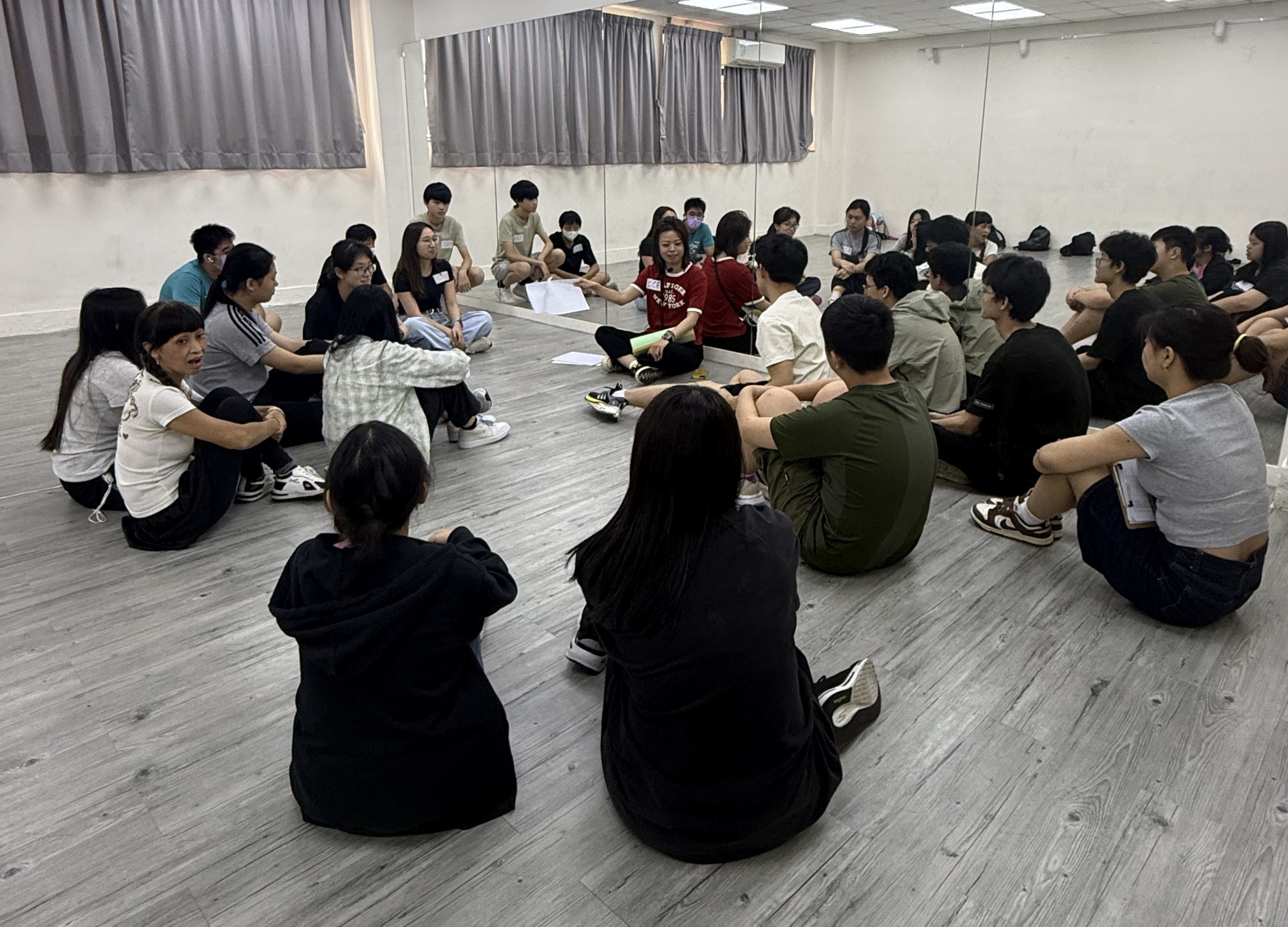
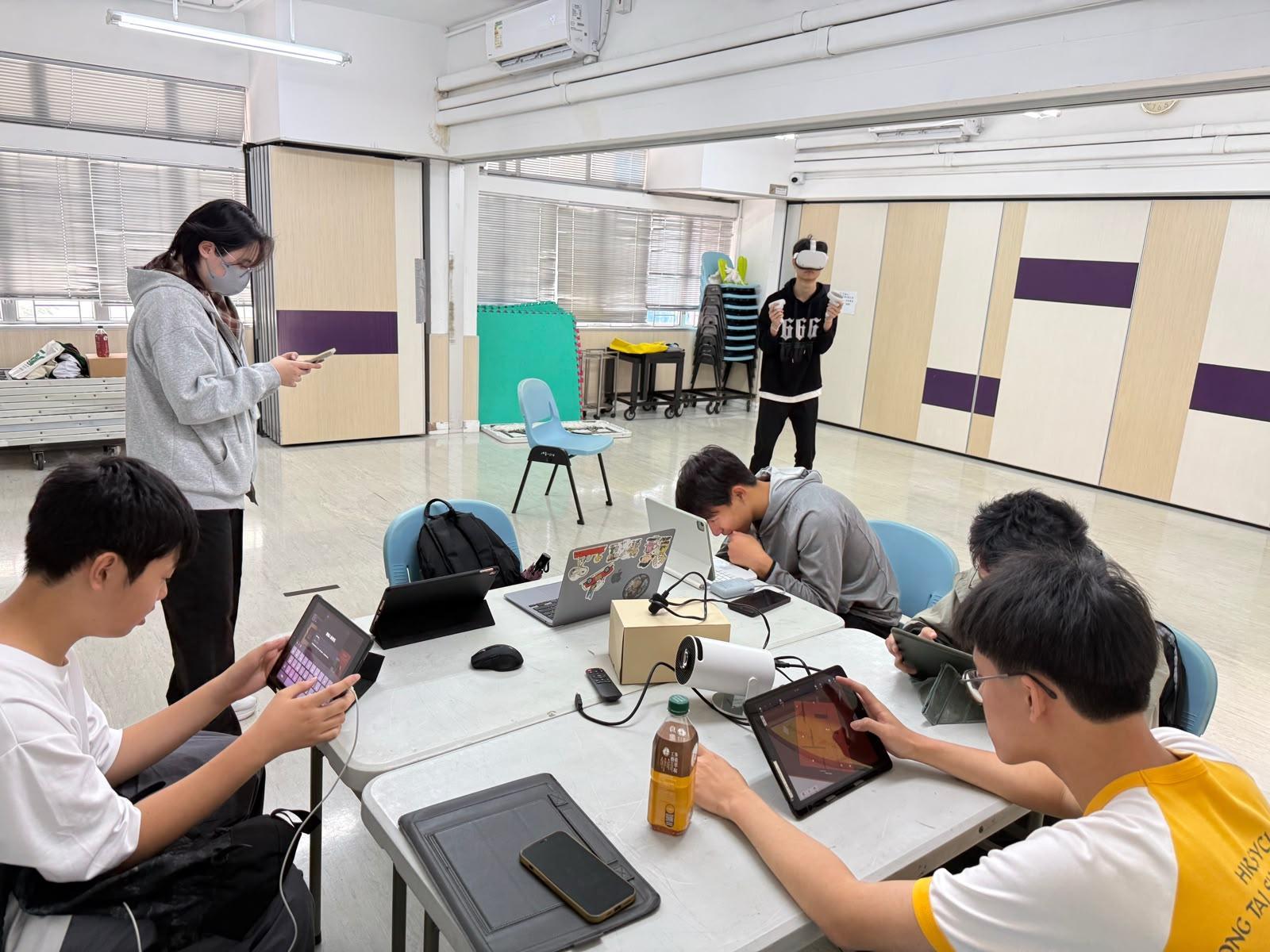
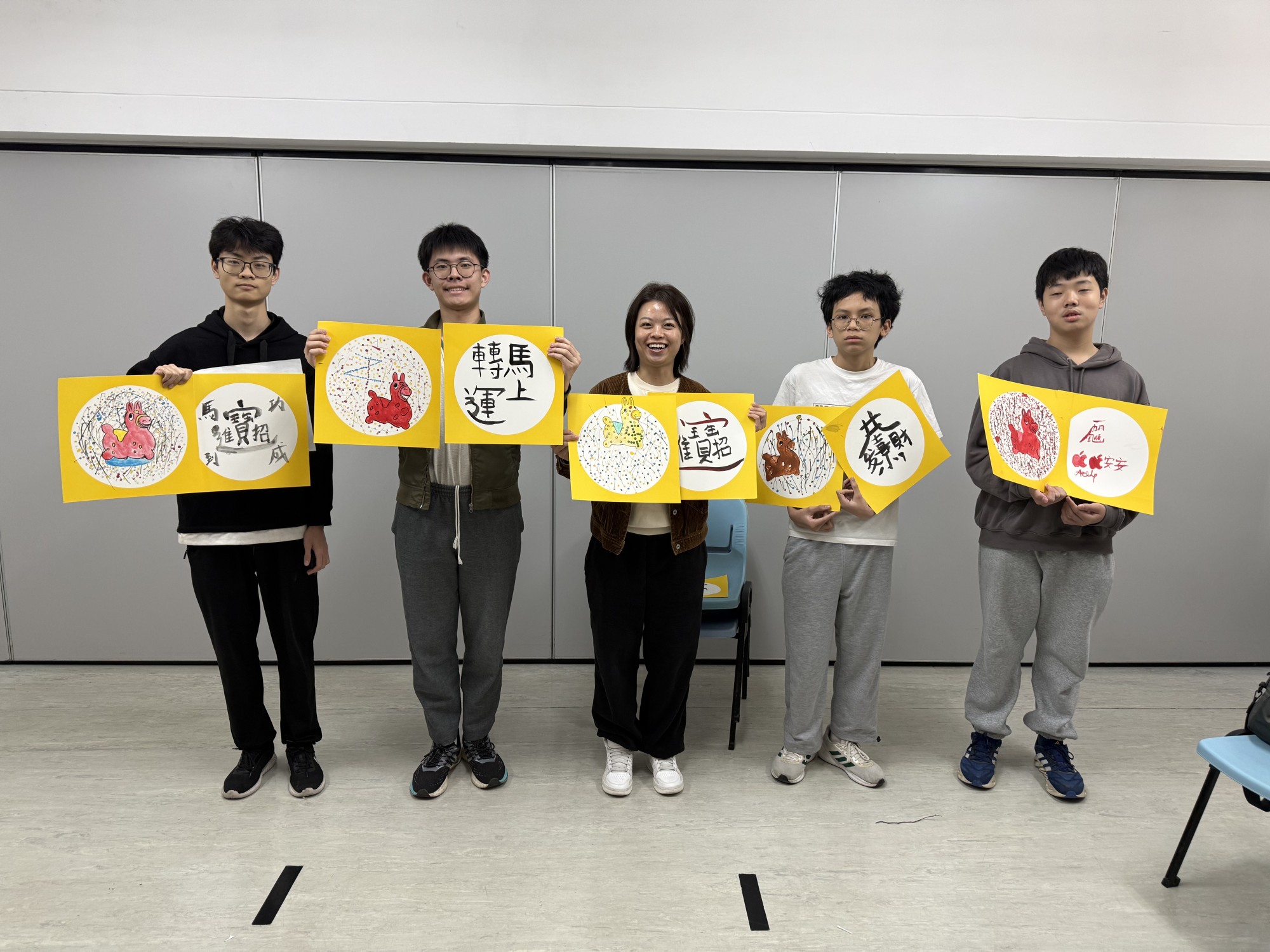
Rooted in traditional culture and supported by modern technology, young people build skills and a sense of achievement through making, performing and creating.

04

Parent Engagement

Through parent groups, parent-child activities and individual support where needed, families practise listening, boundaries, appreciation and more meaningful communication.

05

Community and Stage

From volunteering and team challenges to public showcases, young people bring their new skills into the community while the community discovers their potential.


Tradition × Technology × Stage

CREATE · COLLABORATE · SHOWCASE

Young people are not spectators. They are active participants who start from scratch, create together and bring their work onto the stage.

Ink Art3D PrintingLion Dance CultureContemporary DanceCheongsam MakingFashion DesignVR Virtual Gallery
1 · Discover Interests

Find an engaging entry point through art, technology and physical experiences.

2 · Build Skills

Move from unfamiliarity and repeated practice to producing tangible work.

3 · Co-create as a Team

Communicate, divide responsibilities, keep time and learn to take responsibility for the team and its outcomes.

4 · Present with Confidence

From rehearsal to presentation, let their work, voices and effort be seen.

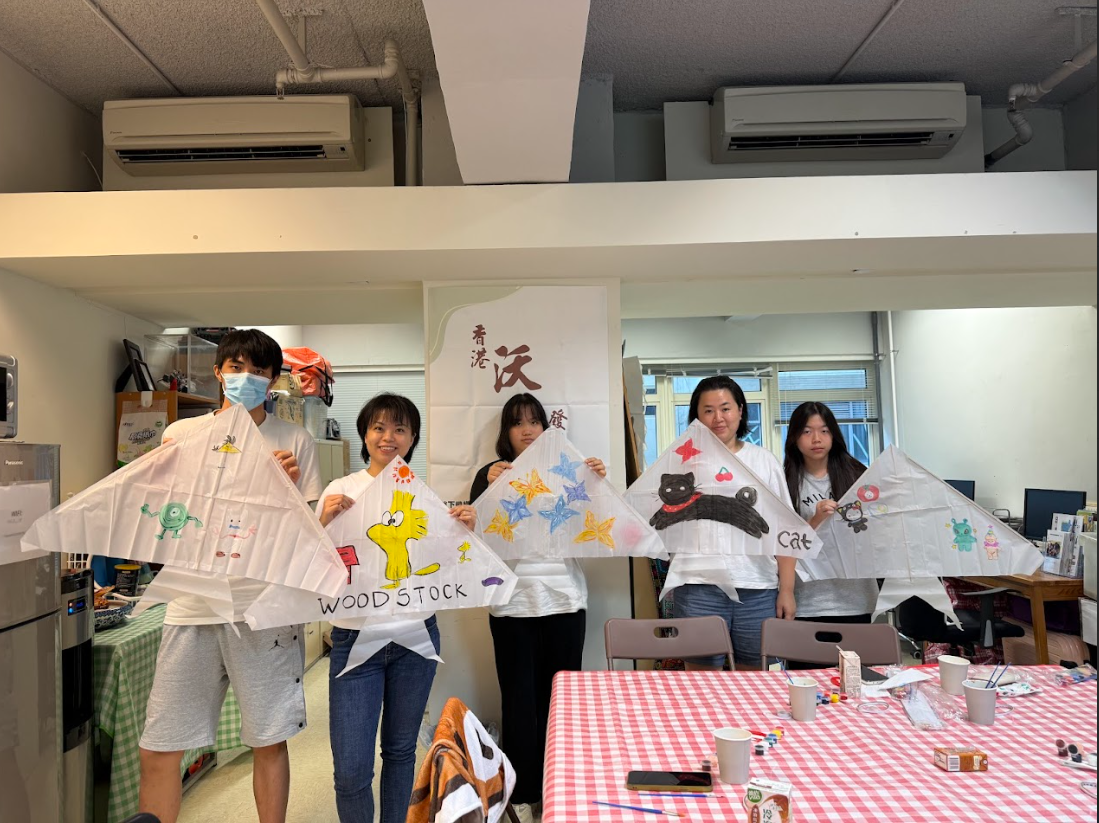
The programme has also offered experiences such as traditional kite-making and AI imagery, with content adapted to young people's interests and pace of learning.


One-to-One Life Coaching

A stable, non-judgemental relationship gives young people space to understand themselves, with a companion who helps turn goals into daily action.

01 Understanding and Matching
We match each young person with a suitable coach according to their background, interests, personality and matching needs.

02 Building Trust
Starting with everyday life, young people who are not used to speaking with adults can gradually feel safe and at ease.

03 Goals and Action
Together, we identify needs, set achievable goals and practise time management and sustained action.

04 Reflection and Transformation
Experiences from activities, learning and relationships become new self-understanding and preparation for the next step.


Visible Growth

Latest programme records as of June 2026

228
professional individual coaching sessions received by students
20
cultural and creative learning activities
 

From the Initial to the Latest Assessment

27.8% → 41.7%

The proportion of coaches rating young people's communication and interpersonal interaction as good or very good increased.

44.4% → 12.5%

The proportion rated as weaker in stress adjustment and emotional management decreased.

46.0% → 15.8%

The proportion of respondents reporting no participation in community or volunteer activities during the previous year decreased.

Note: Survey samples, response rates and participant composition differed across stages. The figures reflect responses from participants and coaches at each stage and are used to review programme direction; they should not be treated as general conclusions about all young people.

Voices of Young People and Parents

I feel that someone cares about me, and I can set goals.

— Young participant

My coach accepts my imaginative ideas.

— Young participant

I used to be very shy. Now I get along better with others and have begun to understand the importance of studying.

— Parent participant
Growth is not always dramatic. More often, it means:

Arriving on time, speaking up for the first time, sharing responsibilities with peers, completing a piece of work, stepping on stage to introduce oneself, or talking calmly with family again after a conflict. These small steps are the beginning of confidence, responsibility and a sense of direction.